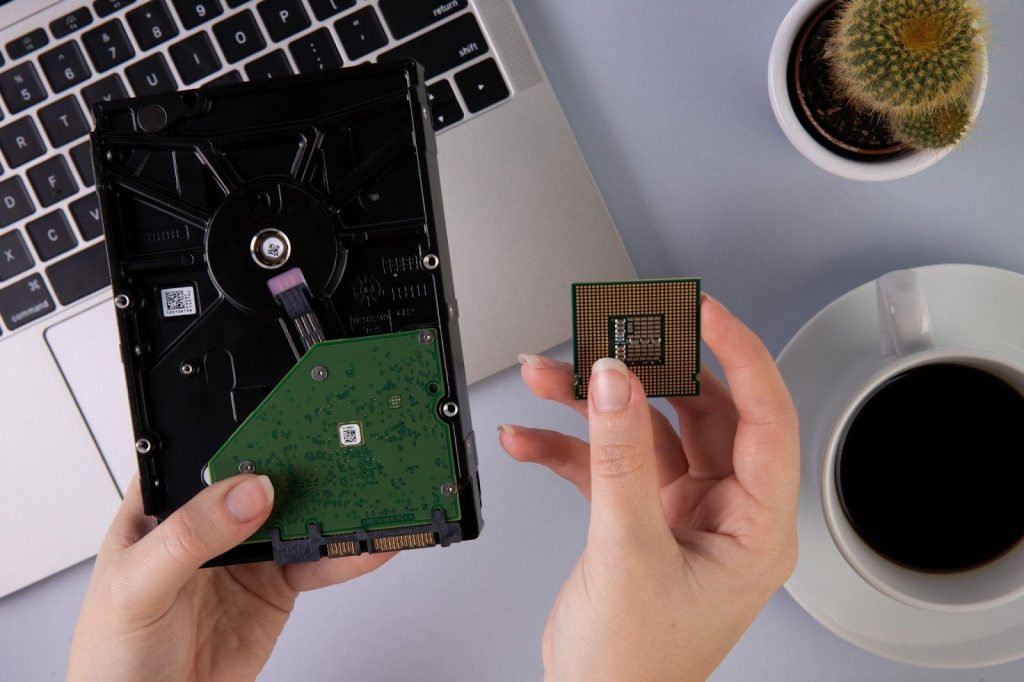
Digital storage systems are central to modern operations, yet they remain vulnerable to unexpected failures. A crashed hard drive, corrupted SSD, or malfunctioning RAID array can instantly disrupt workflows and place sensitive information at risk. Recovering critical files is not a matter of luck; it requires precision, structured diagnostics, and controlled technical intervention. The approach of a data recovery expert is methodical, evidence-based, and aligned with strict data protection standards.
Unlike generic repair attempts, professional recovery focuses on preserving the integrity of storage media while maximizing retrieval success. Each case demands a tailored strategy based on device condition, failure type, and data criticality. The journey from device failure to successful restoration follows a defined technical framework, ensuring risks are minimized and recovery outcomes are measurable.
1. Comprehensive Failure Assessment and Risk Profiling
When a storage device fails, immediate action without structured analysis can permanently compromise recoverable data. The first stage of professional recovery focuses on understanding the nature, depth, and impact of the failure through systematic evaluation and controlled risk assessment.
- Structured Device Diagnostics: Every recovery process begins with a controlled diagnostic evaluation to determine whether the failure is logical, mechanical, or electronic. Advanced testing tools analyze firmware, drive behavior, and sector integrity. This ensures accurate identification of the root cause before any intervention is attempted.
- Data Sensitivity and Priority Mapping: Critical business files, financial records, and proprietary documents are categorized based on urgency. Establishing recovery priorities enables efficient allocation of technical resources. This structured planning reduces turnaround time while maintaining data integrity.
- Risk Containment Protocols: Improper handling can worsen media damage or overwrite recoverable data. Professional containment strategies prevent further degradation by isolating affected drives. This controlled environment preserves remaining data structures for safe extraction.
2. Controlled Environment Hardware Intervention
Physical damage within storage devices requires far more than technical skill; it demands environmental precision and specialized infrastructure. Hardware-level intervention is performed under strictly regulated conditions to prevent contamination and further internal deterioration.
- Cleanroom Component Repair: Physical drive failures often require internal component adjustments or replacements. Such procedures are conducted in contamination-controlled environments to prevent microscopic particles from damaging platters. This precision approach safeguards delicate internal mechanisms.
- Firmware Reconstruction Techniques: Corrupted firmware can render storage devices inaccessible. Specialized tools are used to rebuild firmware modules without compromising stored data sectors. This restores communication between the device and recovery systems.
- Non-Destructive Imaging Procedures: Instead of working directly on failing hardware, professionals create forensic-grade sector-by-sector clones. This method ensures the original media remains untouched. Recovery efforts are performed on the cloned image, protecting source integrity.
3. Advanced Logical Recovery and Data Reconstruction
Not all data loss stems from mechanical breakdown; many cases involve invisible structural corruption within digital file systems. Logical recovery processes are designed to rebuild complex data architectures without altering original storage media.
- File System Analysis and Repair: Logical corruption, accidental deletion, or formatting errors require deep file system examination. Sophisticated algorithms rebuild directory structures and recover fragmented files. This approach retrieves data even when standard systems fail to recognize it.
- Encrypted and Complex Storage Solutions: Modern devices often include encryption or hybrid storage configurations. Recovery strategies are adapted to navigate layered security architectures without breaching compliance standards. Technical expertise ensures secure extraction while preserving confidentiality.
- RAID and Server-Level Restoration: Enterprise environments present additional complexities due to distributed storage arrays. Reconstruction of RAID configurations demands precise recalibration of parity and sequence data. These structured processes restore large-scale systems efficiently and securely.
4. Data Integrity Verification and Secure Delivery
Recovering files is only one part of the process; validating their accuracy and safeguarding their transfer is equally critical. Professional recovery services prioritize structured verification protocols to ensure restored data is complete, functional, and uncompromised.
- Verification Through Multi-Level Validation: Recovered data undergoes systematic validation to confirm completeness and usability. Integrity checks verify file consistency, ensuring no corruption remains. This step provides confidence in the restoration outcome.
- Confidential Handling and Secure Transfer: Sensitive data is transferred using encrypted storage devices or secure digital channels. Strict confidentiality policies govern every stage of handling. This protects organizations from additional exposure during the recovery process.
- Transparent Reporting and Documentation: Clients receive detailed technical reports outlining the recovery process and outcomes. Documentation enhances transparency and supports compliance requirements. Clear communication reinforces trust in the technical methodology applied.
5. Preventive Strategy and Long-Term Data Protection
Effective data recovery service in Auckland extends beyond restoration; it informs smarter protection strategies for the future. Post-recovery analysis provides actionable insights that help strengthen infrastructure resilience and minimize the likelihood of recurring failures.
- Failure Pattern Analysis: Post-recovery assessments identify patterns that contributed to device failure. Understanding environmental, operational, or hardware-related causes helps prevent recurrence. This analytical review transforms recovery into a learning opportunity.
- Backup Architecture Optimization: Sustainable protection requires structured backup planning. Professionals advise on layered backup strategies, redundancy systems, and secure cloud integration. These measures strengthen resilience against future incidents.
- Operational Continuity Planning: Data restoration is only part of risk management. Organizations benefit from continuity frameworks that include monitoring systems and periodic audits. Proactive planning reduces downtime and financial exposure.
Final Thoughts
The transition from device failure to complete restoration demands technical accuracy, disciplined procedures, and compliance-driven execution. A data recovery expert applies a structured methodology that prioritizes data preservation, risk control, and verified outcomes. Each stage, from diagnosis to secure delivery, is executed with precision to ensure that digital assets are not only retrieved but also protected against further compromise.
For reliable and secure data restoration solutions, trust the specialists at NZ Electronics Repair. With advanced diagnostics, cleanroom capabilities, and a precision-driven recovery process, it delivers dependable results for individuals and businesses alike. Whether facing hardware failure or logical corruption, NZ Electronics Repair ensures your critical information is handled with confidentiality, accuracy, and care: restoring not just data, but operational confidence.