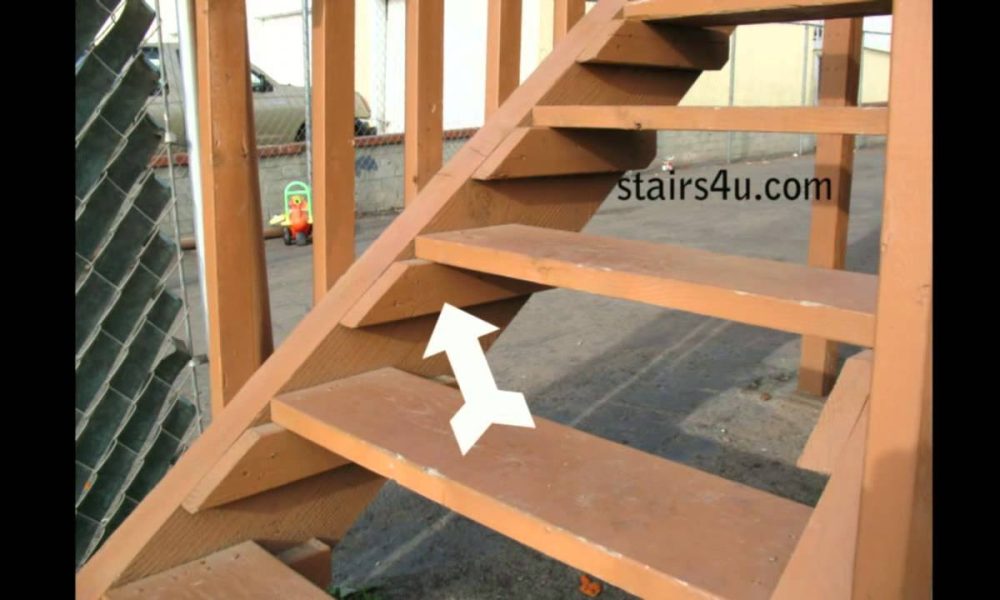
Understanding What Is A Cleat In Construction: The Basics

A cleat in construction is a small strip of wood or metal used to strengthen joints or attachments. It plays a crucial role in providing stability and support to various structural elements within a building. Cleats are often positioned discreetly but are essential for ensuring the durability and safety of the overall construction. Let’s delve deeper into the significance and versatility of cleats in construction projects. From framing to finishing touches, understanding what is a cleat in construction can elevate your knowledge and skills in the building industry.

What is a Cleat in Construction: A Comprehensive Guide
Welcome to our in-depth exploration of what a cleat is in construction! If you have ever wondered about this essential component in building projects, you’ve come to the right place. Cleats play a crucial role in ensuring the structural integrity and stability of various constructions. In this article, we will unravel the mysteries surrounding cleats, explaining their significance, types, installation methods, and much more in a way that’s easy to understand for everyone.
The Basics of Cleats
Before diving deeper into the specifics, let’s start with the basics. In construction, a cleat refers to a small piece of material, usually metal or wood, that is used to fasten or secure two components together. Cleats are indispensable in construction projects as they provide support, reinforcement, and stability to various structures. They are commonly used in woodworking, carpentry, and general building construction.
The Significance of Cleats in Construction
One of the key reasons cleats are widely used in construction is their ability to distribute weight and stress evenly across a surface. By securely attaching one component to another with a cleat, builders can ensure that the load is adequately supported, reducing the risk of structural failure. Cleats also help in aligning and connecting different elements of a construction project with precision.
Types of Cleats
There are several types of cleats used in construction, each serving a specific purpose:
1. Metal Cleats
Metal cleats, often made of steel or aluminum, are known for their durability and strength. They are commonly used in heavy-duty construction projects where robust support is required. Metal cleats are resistant to corrosion and can withstand significant weight and pressure.
2. Wood Cleats
Wood cleats, usually made from hardwoods like oak or maple, are popular in woodworking and finishing applications. They are versatile, easy to work with, and provide a natural look when incorporated into wooden structures. Wood cleats are ideal for projects where aesthetics are important.
3. Adjustable Cleats
Adjustable cleats offer flexibility in construction projects by allowing for changes in alignment or positioning. These cleats are adjustable along their length, making them suitable for projects where precise adjustments are necessary. They are commonly used in installations that require fine-tuning during the construction process.
Installation of Cleats
Proper installation of cleats is essential to ensure the structural integrity of a construction project. Here are the general steps involved in installing cleats:
1. Planning and Measurement
Before installing cleats, precise measurements should be taken to determine the placement and size required. Proper planning ensures that the cleats will provide adequate support for the intended load.
2. Marking and Drilling
Using a pencil or marker, mark the locations where the cleats will be installed. Drill pilot holes to accommodate screws or nails that will secure the cleats to the surfaces. The size of the pilot holes should match the fasteners being used.
3. Attaching the Cleats
Secure the cleats to the surfaces using appropriate fasteners such as screws, nails, or bolts. Make sure the cleats are aligned correctly and firmly attached to provide the necessary support for the construction components.
4. Testing and Adjustments
After installing the cleats, it is essential to test the integrity of the connections by applying pressure or weight to the structure. Any adjustments needed for alignment or stability should be made at this stage to ensure the cleats are functioning effectively.
Benefits of Using Cleats in Construction
Using cleats in construction offers a range of benefits, including:
1. Enhanced Stability
Cleats provide additional support and reinforcement to construction components, enhancing the overall stability of the structure.
2. Improved Load Distribution
By distributing weight evenly, cleats help prevent stress concentrations and ensure that the load is adequately supported.
3. Simplified Installation
Installing cleats is relatively straightforward and can be done using common tools, making them a convenient choice for construction projects.
4. Versatility
With various types of cleats available, builders can choose the most suitable option based on the specific requirements of their project, adding to the versatility of cleats in construction.
In conclusion, cleats are essential components in construction that play a vital role in ensuring the stability and integrity of various structures. By understanding the significance, types, installation methods, and benefits of using cleats, builders can make informed decisions when incorporating them into their construction projects. Whether you are working on a woodworking project or a large-scale construction endeavor, cleats are versatile and reliable solutions that contribute to the success of the build.
We hope this comprehensive guide has shed light on what cleats are in construction and how they make a difference in the world of building and design. The next time you encounter a cleat in a construction project, you’ll know just how crucial its role is in supporting and strengthening the structures we rely on every day.
What Is A Cleat In Construction? – Civil Engineering Explained
Frequently Asked Questions
What is a cleat in construction?
A cleat in construction refers to a metal or wooden strip used to support or fasten components together. Cleats are commonly used in carpentry and construction projects to provide structural strength and stability by offering a secure connection between different elements of a structure.
How are cleats used in construction projects?
Cleats are utilized in construction projects to secure various building components such as shelves, countertop supports, cabinet backs, or other fixtures to walls, floors, or ceilings. They serve as a reliable anchoring method that helps distribute weight and enhance the overall strength of the structure.
What are the benefits of using cleats in construction?
Using cleats in construction offers several advantages, including increased structural integrity, ease of installation, flexibility in positioning components, and the ability to provide hidden support for shelves or other fixtures. Cleats also allow for adjustments and make it simpler to replace or repair components if needed.
Final Thoughts
In construction, a cleat is a small piece of metal or wood used to strengthen joints and connections between structural elements. Cleats are commonly used to secure beams, columns, and other components in place. They provide additional support and stability to the overall structure. Understanding what a cleat is and how to properly use it is important for ensuring the integrity and safety of a construction project. Cleats play a crucial role in enhancing the strength and durability of various building structures.