Demystifying Buffer Size: What Is Buffer Size Explained

Buffer size refers to the amount of data that can be temporarily stored or processed in a specific system or component. In simpler terms, it determines how much information can be held in a given space at one time. Understanding what is buffer size is crucial in various fields, such as computing, networking, and audio processing. It plays a vital role in optimizing performance, reducing delays, and enhancing efficiency. Let’s delve deeper into the significance and impact of buffer size in different applications.

What is Buffer Size: Understanding the Basics
Welcome, young tech enthusiasts! Today, we’re diving into the fascinating world of buffer size. Have you ever wondered what happens when you press play on your favorite video or try to download a large file? Well, buffer size plays a crucial role in making sure everything runs smoothly. Let’s explore what buffer size is all about!
The Basics of Buffering
Before we delve into buffer size, let’s first understand the concept of buffering. When you’re streaming a video or downloading a file from the internet, the data doesn’t arrive all at once. Instead, it is sent in small chunks that need to be processed and played back in real-time. This is where buffering comes into play.
Buffering is like having a mini storage space on your device where data is temporarily stored before being processed. It helps to ensure a steady flow of information, preventing interruptions and allowing for smooth playback or download.
Defining Buffer Size
Now, let’s get to the heart of the matter – what exactly is buffer size? In simple terms, buffer size refers to the amount of data that can be temporarily stored in the buffer before it is processed or transferred. Think of it as the capacity of your device’s “holding area” for incoming data.
Imagine you’re at a birthday party with a plate of cookies. The size of your plate determines how many cookies you can stack before you need to start eating them. In the same way, buffer size determines how much data can be held before it needs to be “consumed” by your device.
Importance of Buffer Size in Different Applications
Buffer size plays a crucial role in various digital activities, such as streaming videos, playing online games, or transferring large files. Let’s take a closer look at how buffer size impacts these different scenarios:
1. Video Streaming
When you’re watching a video online, the buffer size determines how much of the video can be preloaded and stored on your device before playback. A larger buffer size allows for more seamless streaming, reducing the chances of buffering or lagging.
2. Online Gaming
In the world of online gaming, buffer size is essential for ensuring smooth gameplay. It helps to minimize delays in data transfer between players and the game server, providing a more responsive gaming experience.
3. File Transfers
When you’re transferring files between devices or over a network, buffer size plays a significant role in the speed and efficiency of the transfer. A larger buffer size can help prevent data loss and improve overall transfer speeds.
Optimizing Buffer Size for Better Performance
Now that we understand the importance of buffer size, how can we optimize it for better performance? Here are a few tips to help you make the most of buffer size in different situations:
1. Adjusting Buffer Size Settings
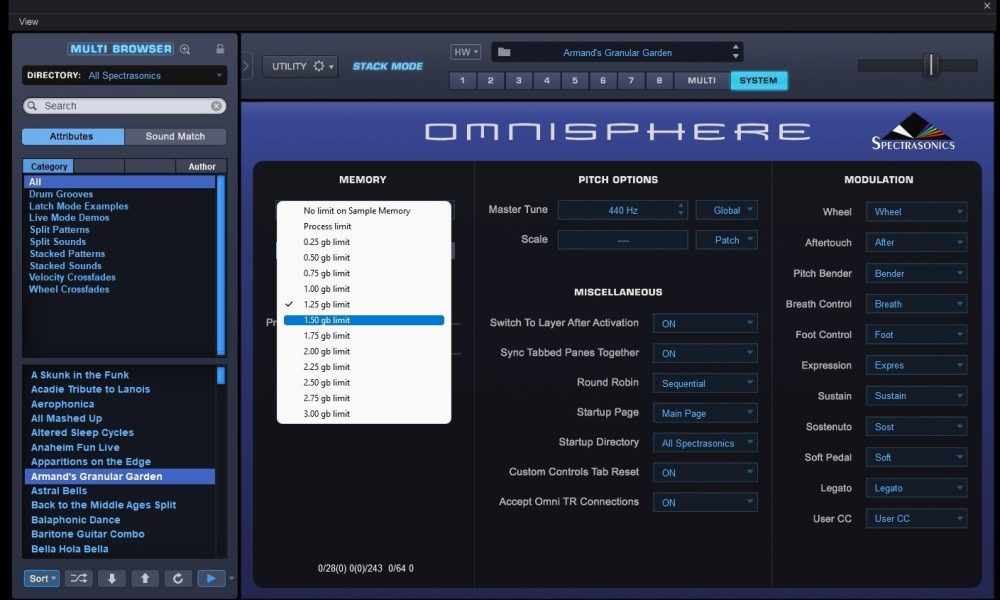
Some devices and applications allow you to adjust buffer size settings to meet your specific needs. By increasing the buffer size, you can enhance performance in tasks that require continuous data streaming or large file transfers.
2. Monitoring Network Conditions
For activities like video streaming or online gaming, keeping an eye on your network conditions can help you determine the ideal buffer size. Slow or inconsistent internet connections may require a larger buffer size to maintain smooth performance.
3. Choosing the Right Hardware
When it comes to buffer size, the hardware you’re using also plays a role. Devices with larger storage capacities and faster processors can handle larger buffer sizes more effectively, leading to improved performance overall.
Buffer size may seem like a technical concept, but it plays a vital role in our everyday digital experiences. Whether you’re streaming videos, playing games, or transferring files, understanding and optimizing buffer size can make a significant difference in performance. Remember, it’s all about finding the right balance to ensure a seamless and enjoyable digital experience. So, next time you press play or start a download, you’ll know that buffer size is working behind the scenes to make it all possible!
Keep exploring, stay curious, and happy buffering!
What does Buffer Size mean in audio?
Frequently Asked Questions
What is buffer size and why is it important in computing?
Buffer size refers to the amount of memory allocated to temporarily store data being transferred between devices or within a system. A larger buffer size can help prevent data loss or distortion during transmission, as it allows for smoother processing and handling of data flow.
How does buffer size affect audio and video streaming?
The buffer size plays a significant role in audio and video streaming by determining the amount of content that can be stored before playback. A larger buffer size can result in smoother playback without interruptions, while a smaller buffer may cause buffering delays and playback issues.
Is there an ideal buffer size for network communications?
There is no one-size-fits-all answer as the ideal buffer size for network communications can vary based on factors like network speed, latency, and the type of data being transmitted. It’s important to optimize buffer size based on specific network requirements to ensure efficient data transfer.
Final Thoughts
In conclusion, buffer size refers to the amount of data that can be temporarily stored before it can be processed. It plays a crucial role in optimizing the performance of digital devices and systems. By ensuring the buffer size is appropriately set, data transfer and processing can be more efficient. Therefore, understanding what buffer size is and how to adjust it accordingly is essential for maximizing the performance of various devices and applications.